
After Work, They Play Jazz
I’m lucky enough to have been part of one of the greatest musical communities in London for the last 9 years: the South London Jazz Orchestra.
In that time, I’ve met hundreds of people, played countless gigs and watched a weekly rehearsal turn into much more than just 100-odd musicians sitting in a room playing jazz.
After Work, They Play Jazz is a photo essay consisting of portrait photos I took between 2022 and 2025. It follows 8 jazz musicians through the music, the travel, and a pinch of the offstage life which comes with being part of a community big band.
(With thanks: Josh, Emma, Sarah, Will, Nigel, Malcolm, Lydia, Kieran)
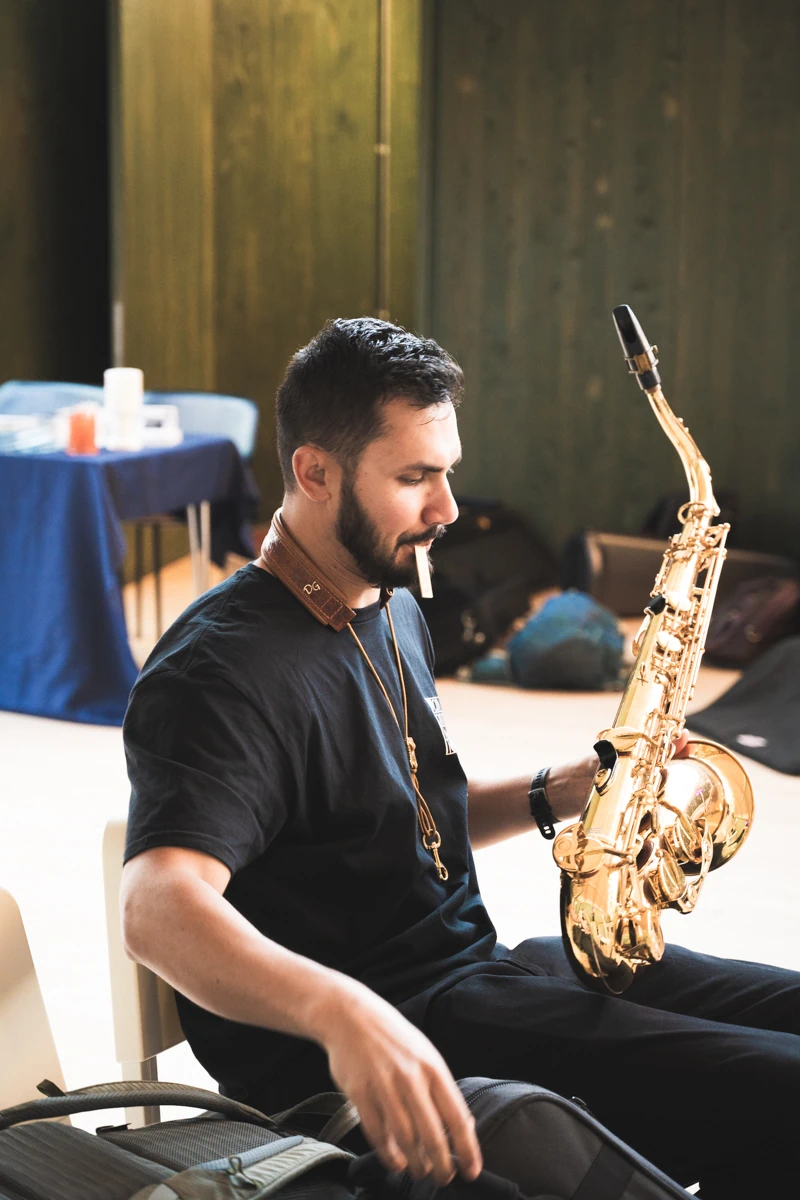
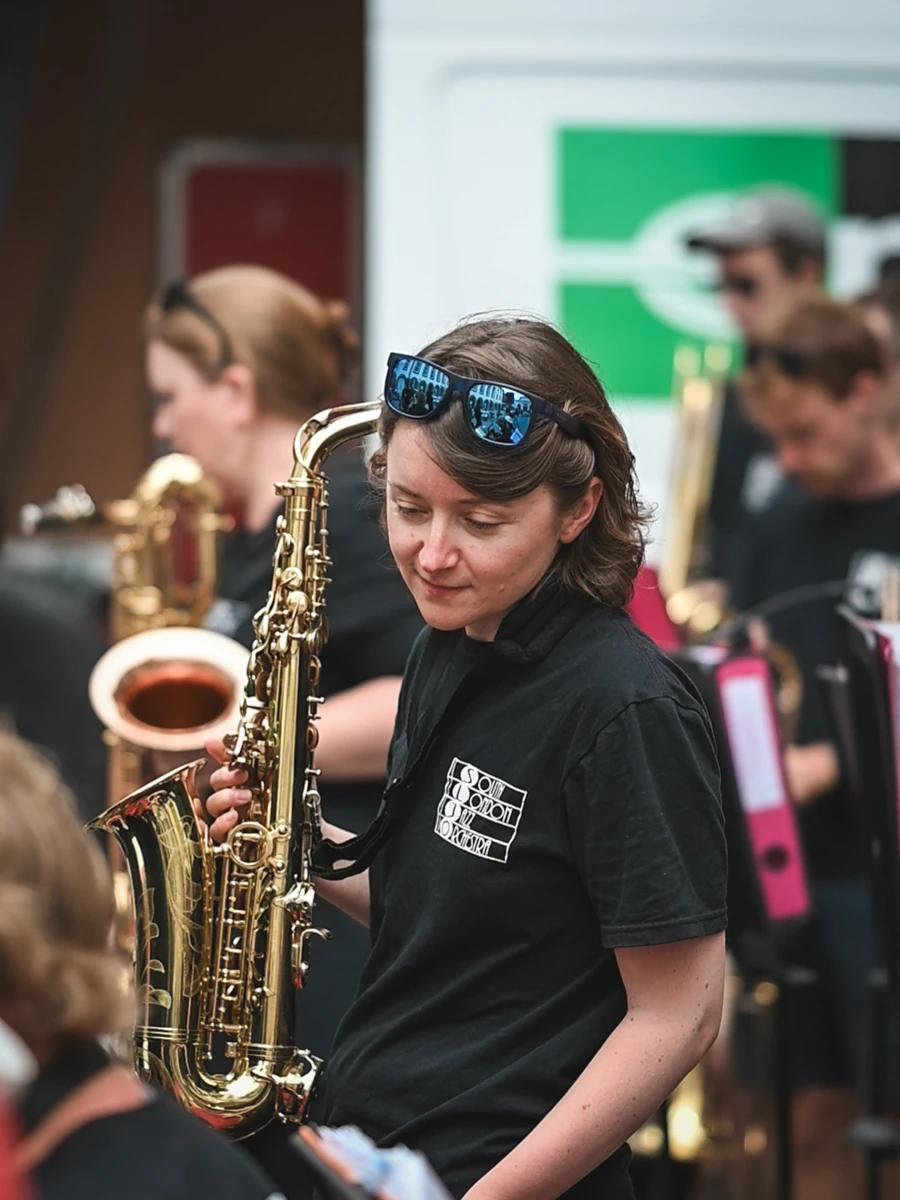
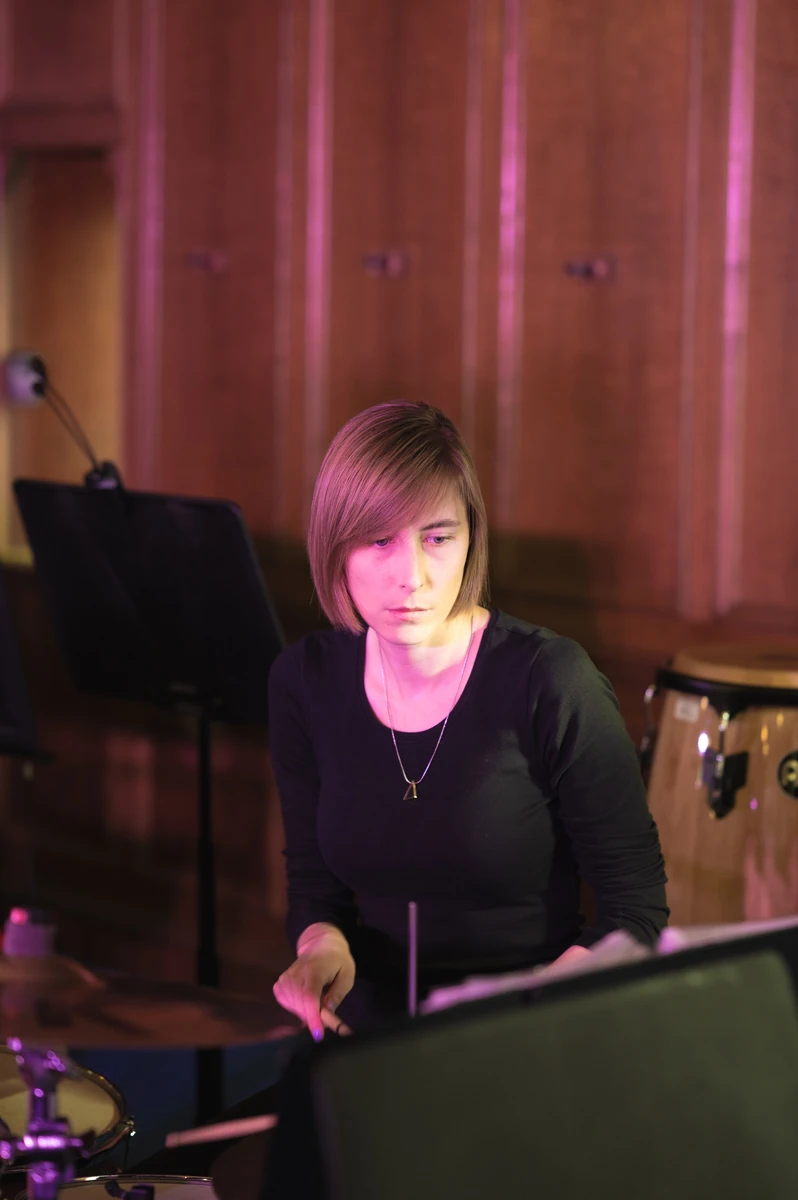
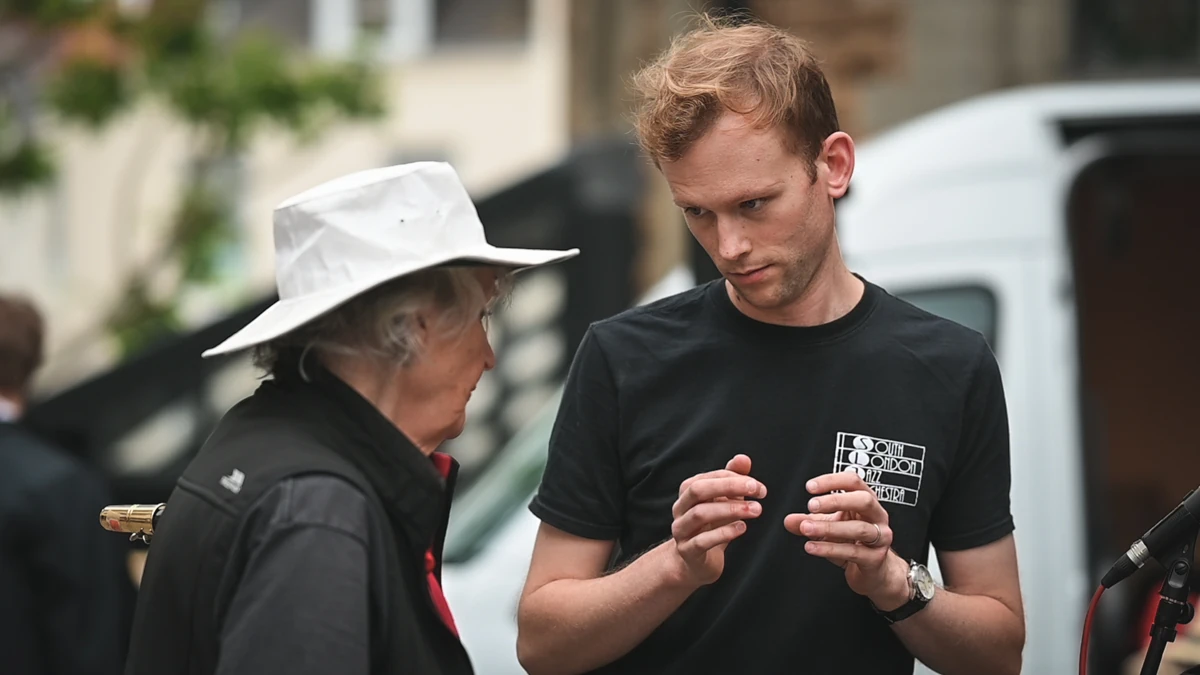
Before the First Note
I’ve played in more bands than I can remember.
Even in sets of 4-6 musicians, setting up can be…a hassle, to put it mildly. Scale that up to ensembles of 40+ and, if you aren’t careful, you end up with pandemonium.
Thankfully, with willing participants and experienced management, it goes smoothly (most of the time).
The Point Of It All
Eventually the tables, chairs and instruments are all set up—not to mention the cables (…so many cables).
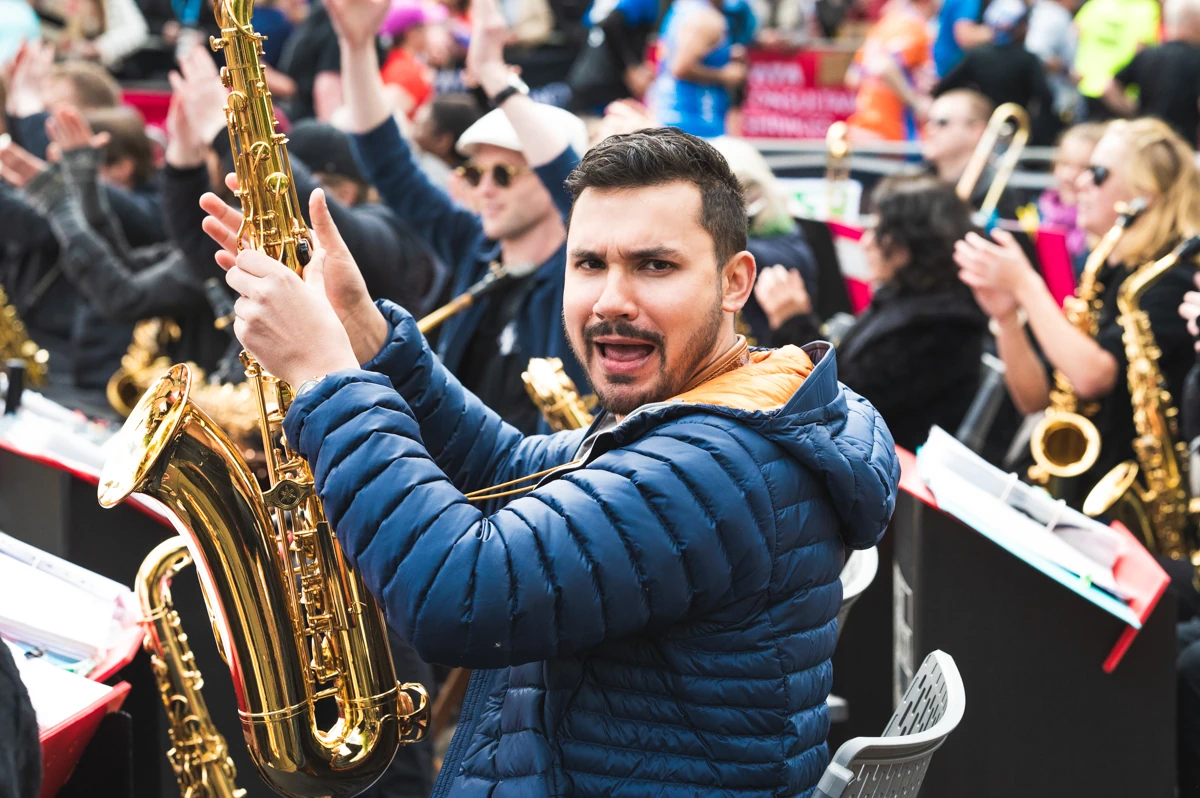
Players get into position, await the conductor expectantly and broadly act like we know what we’re doing.
And the moment the conductor has emerged and counted us into the first piece? It’s the moment we know it was all worth it: that moment everyone stops being separate people carrying awkwardly shaped objects and becomes a big band.
A really big, big band.
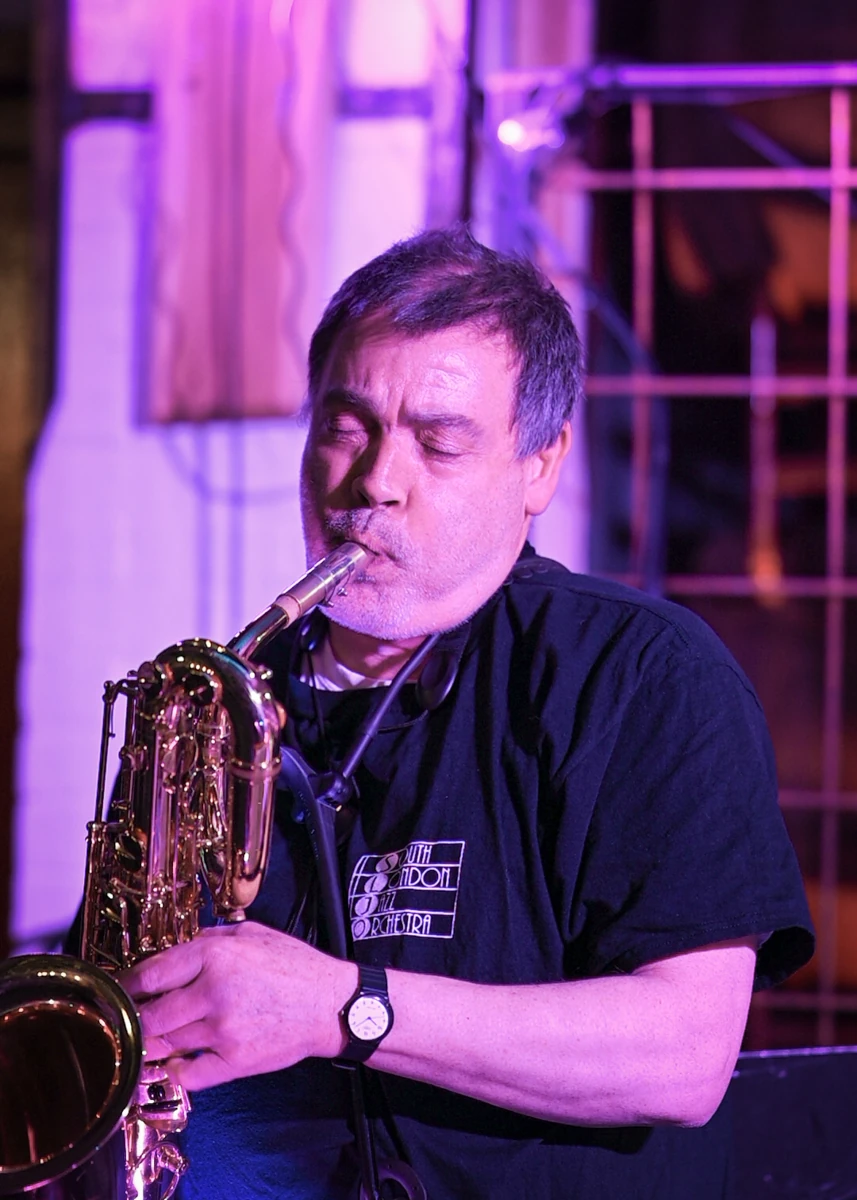
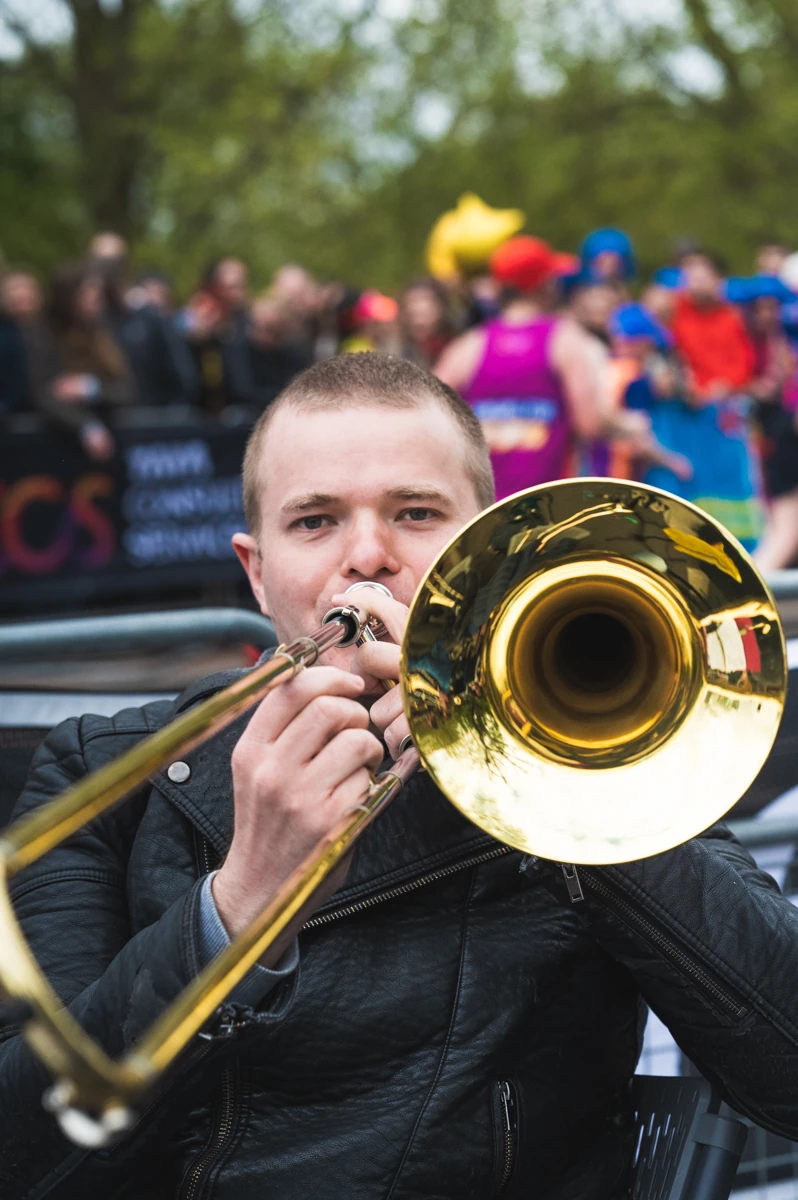
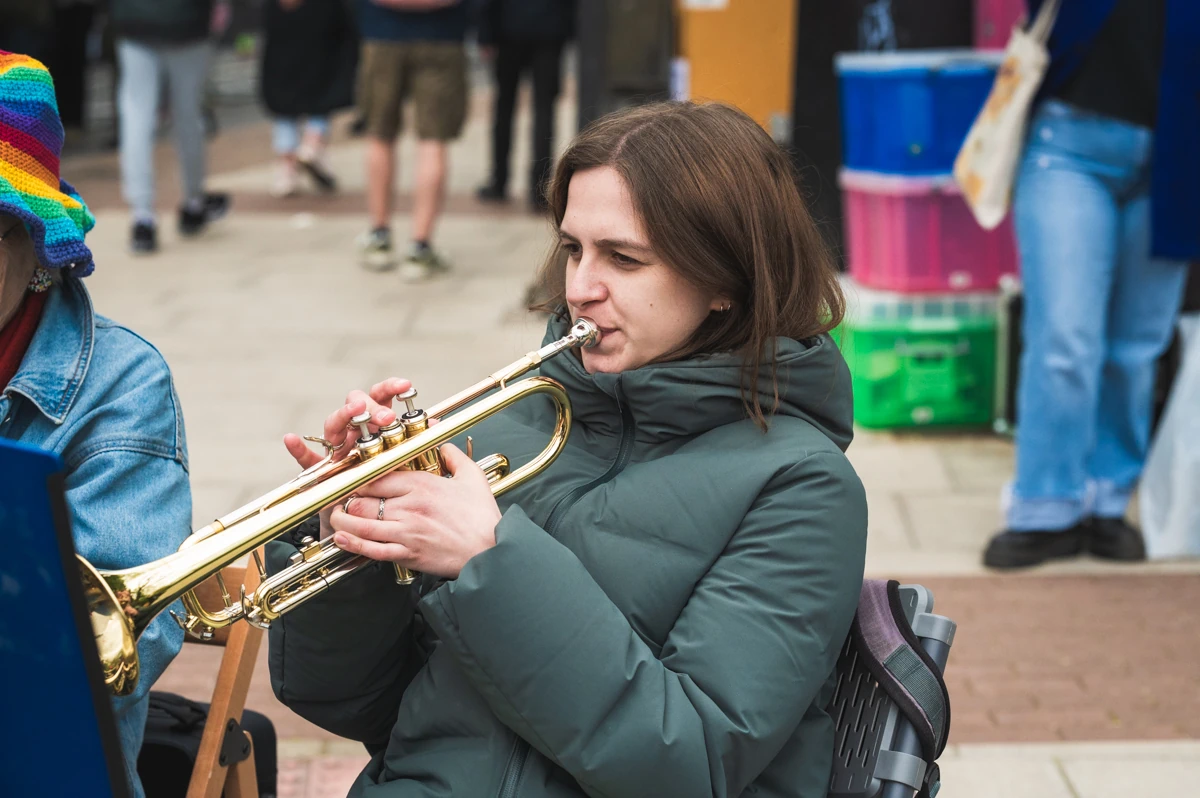
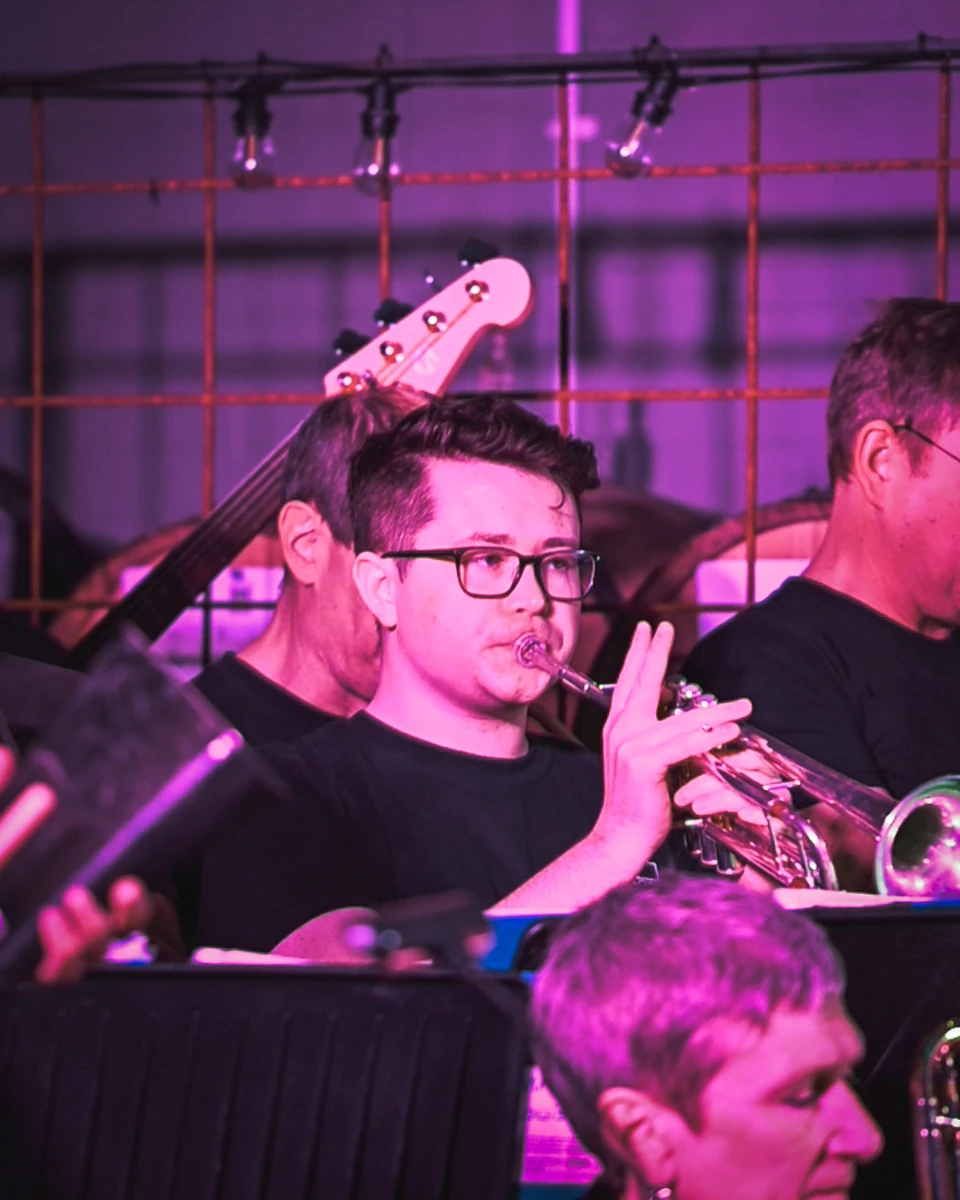
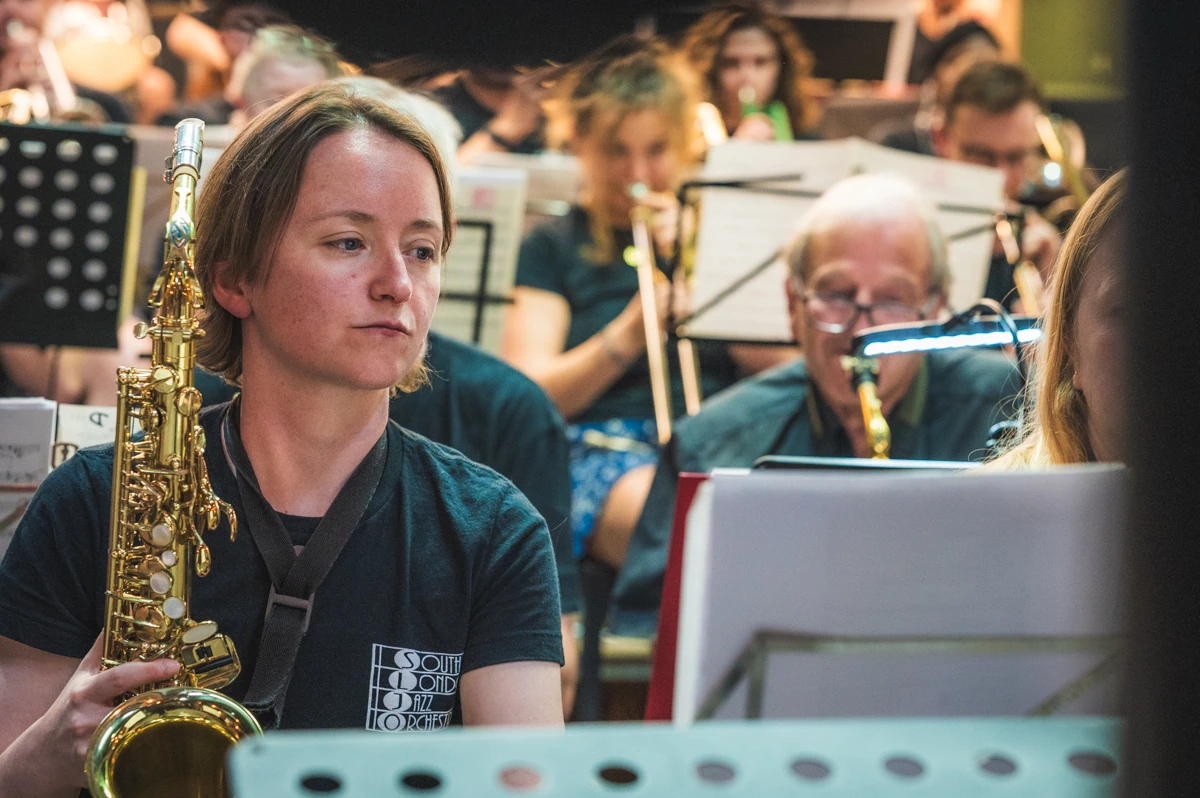
Waiting Your Turn…
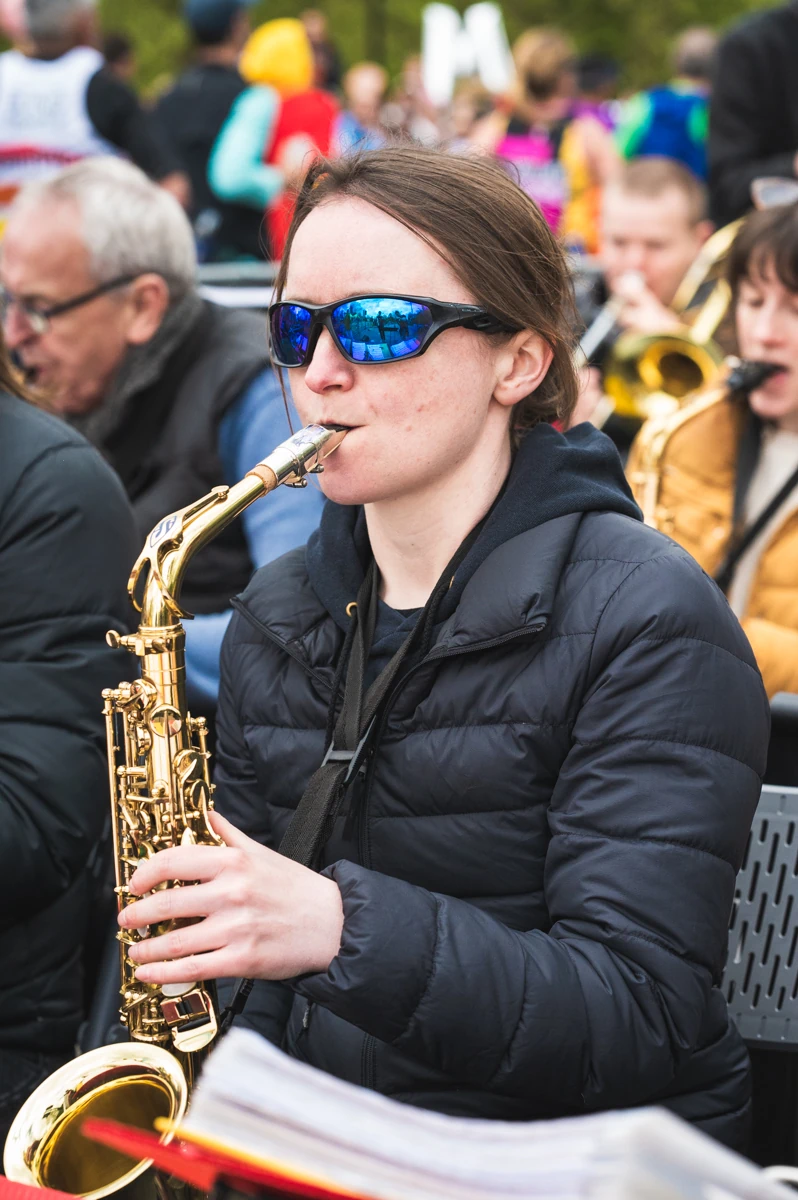
Not all of jazz is bombastic solos and playing as loudly as you can.
In an ensemble, there are invariably passages where you’re sitting back and letting other people have their moment. Why is it that skilled musicians tend to be good at maths? Turns out we’re great at counting.
We’ve had a LOT of practice.
Or sometimes, we just get lost in the sheet music and hope for the best.
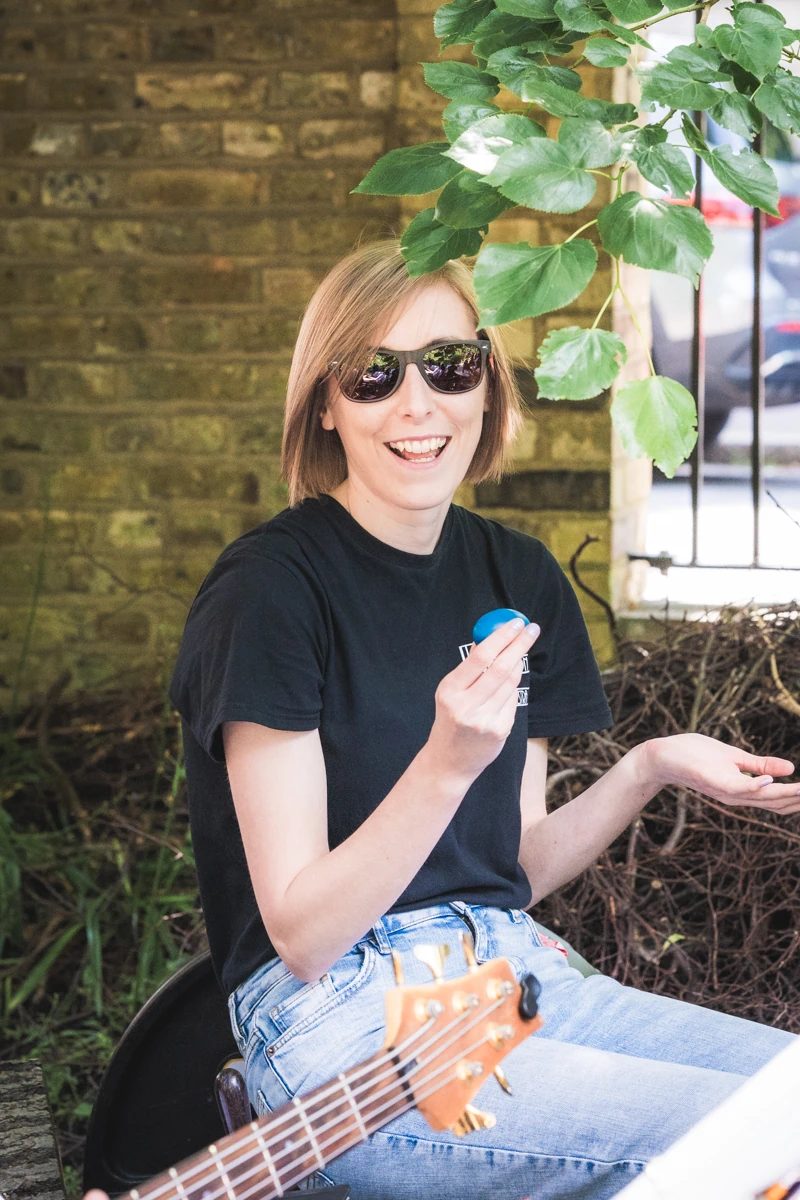
Doubling Up
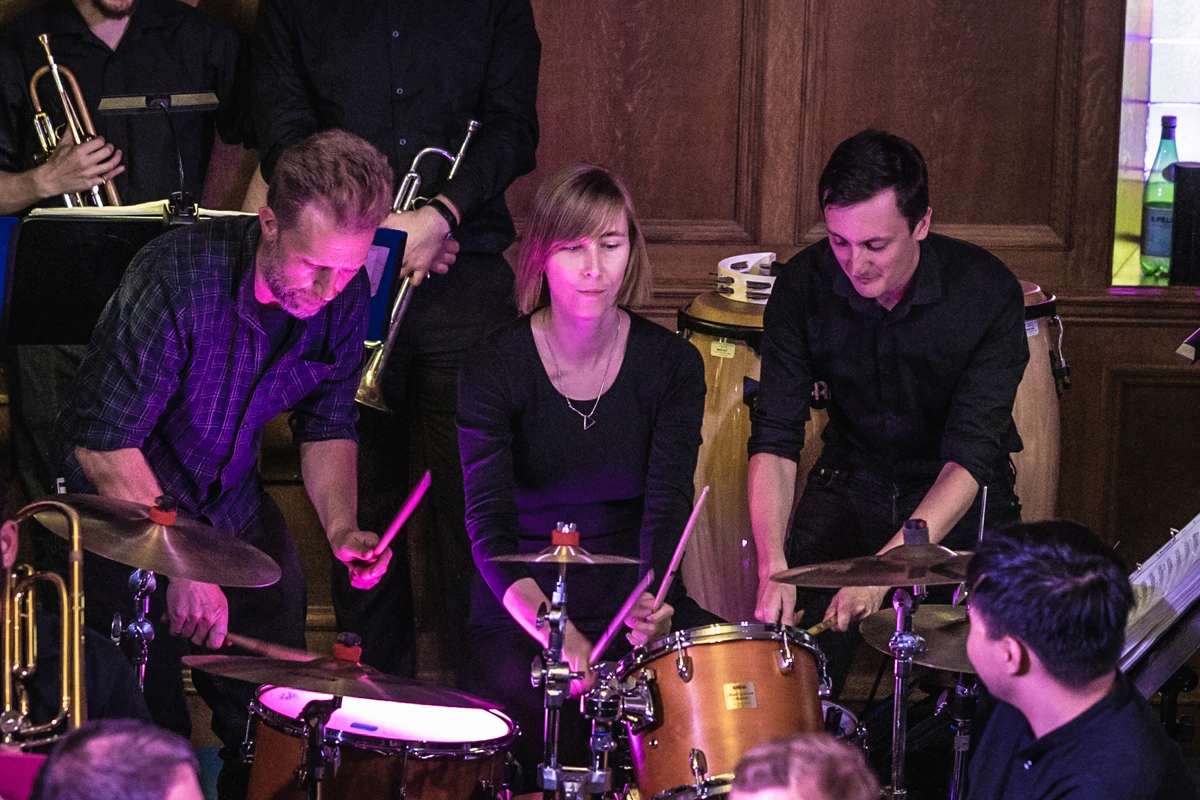
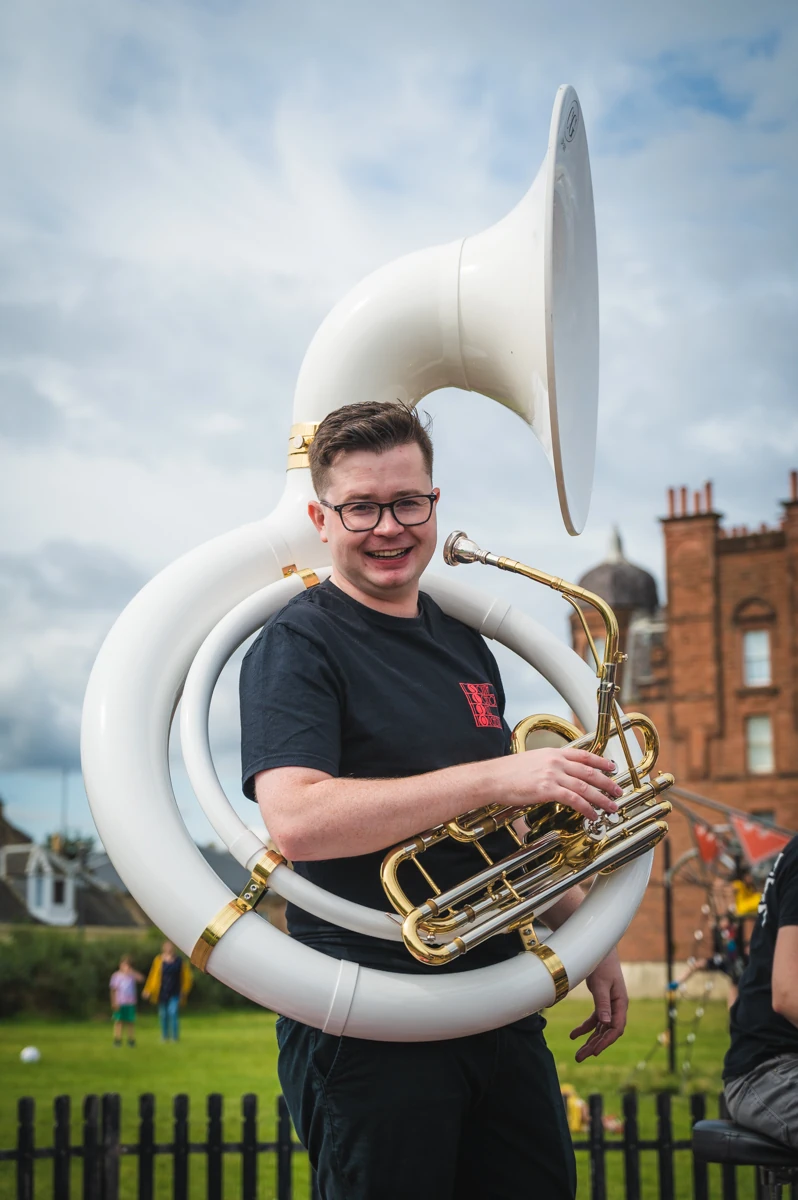
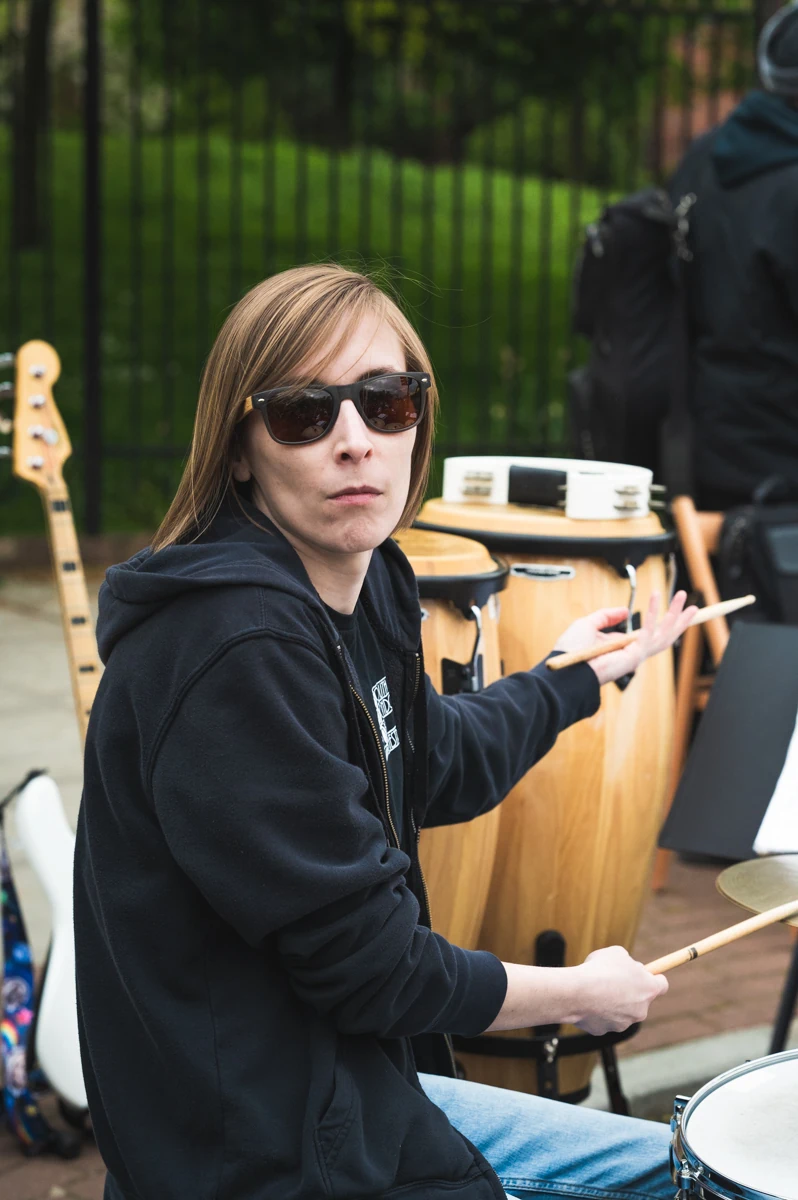
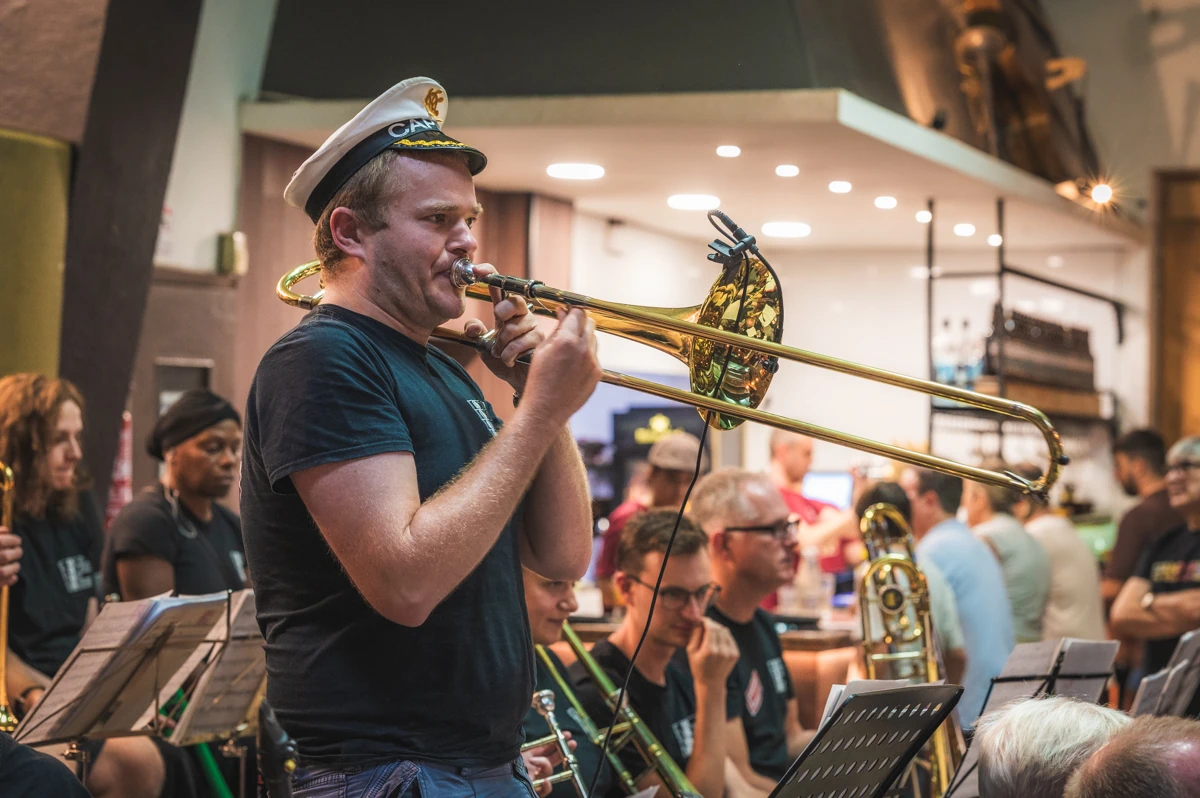
Speaking of playing lots of instruments (shaky egg absolutely counts as an instrument), in a band like this, people rarely only do one thing.
Some take charge of the sound. Some lead the community or manage gigs.
And some just play myriad instruments, filling whatever role the band needs that day.
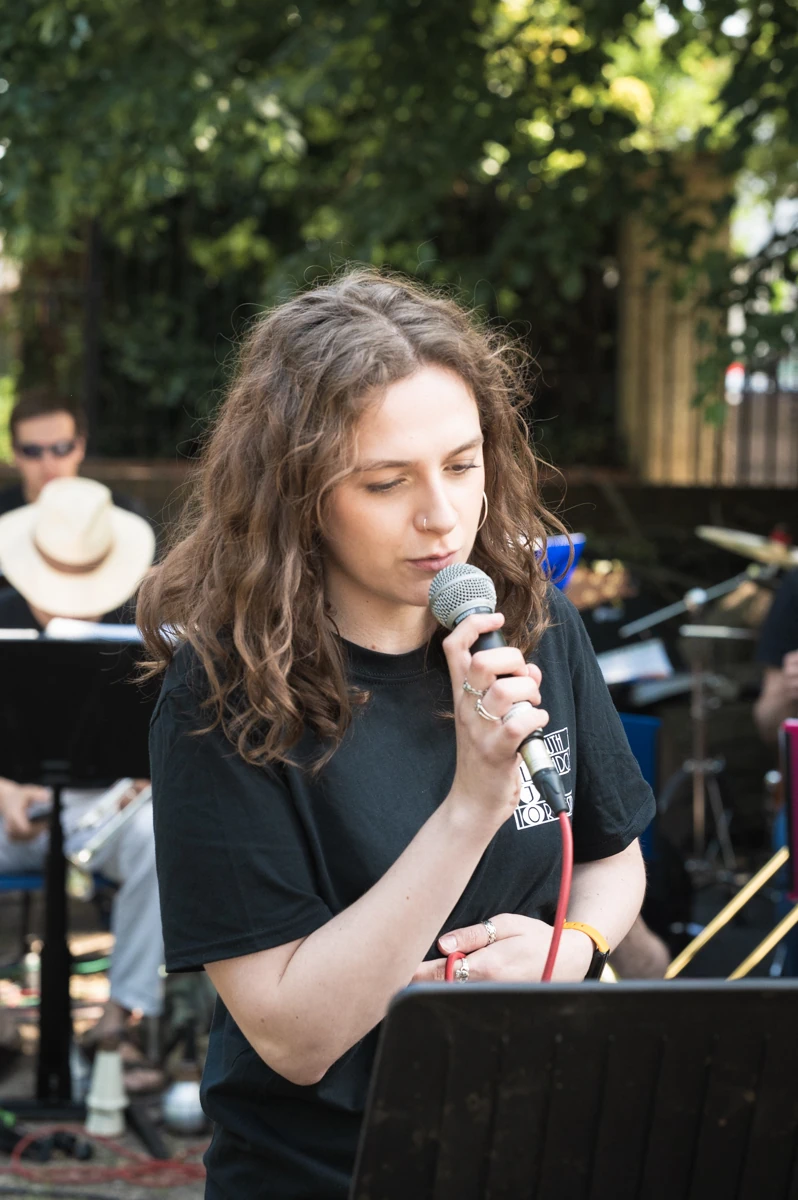
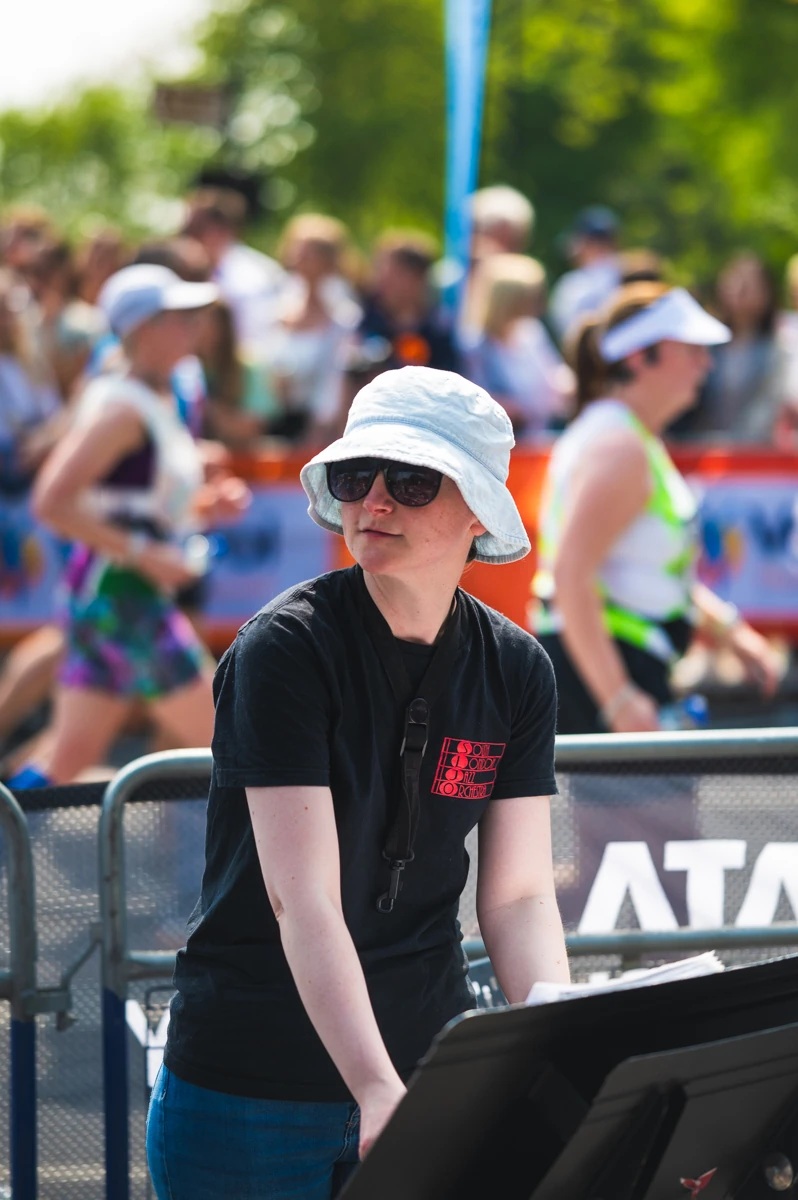
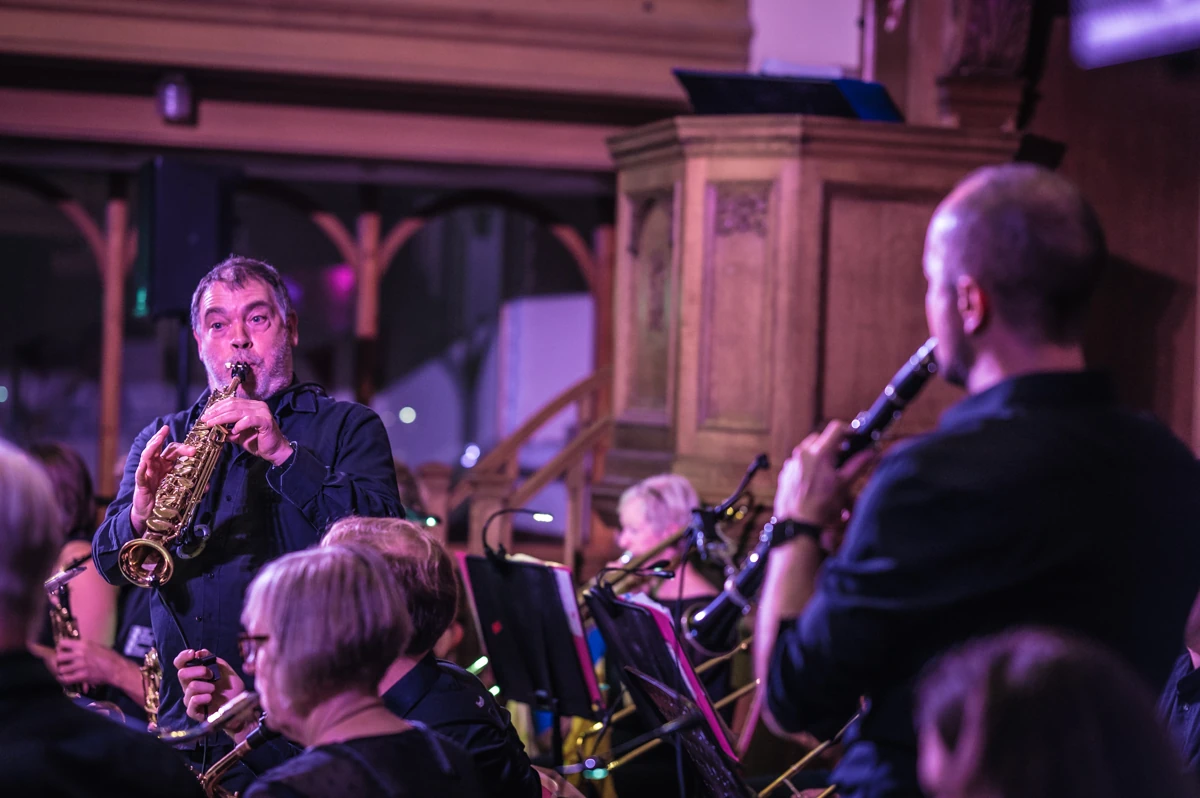
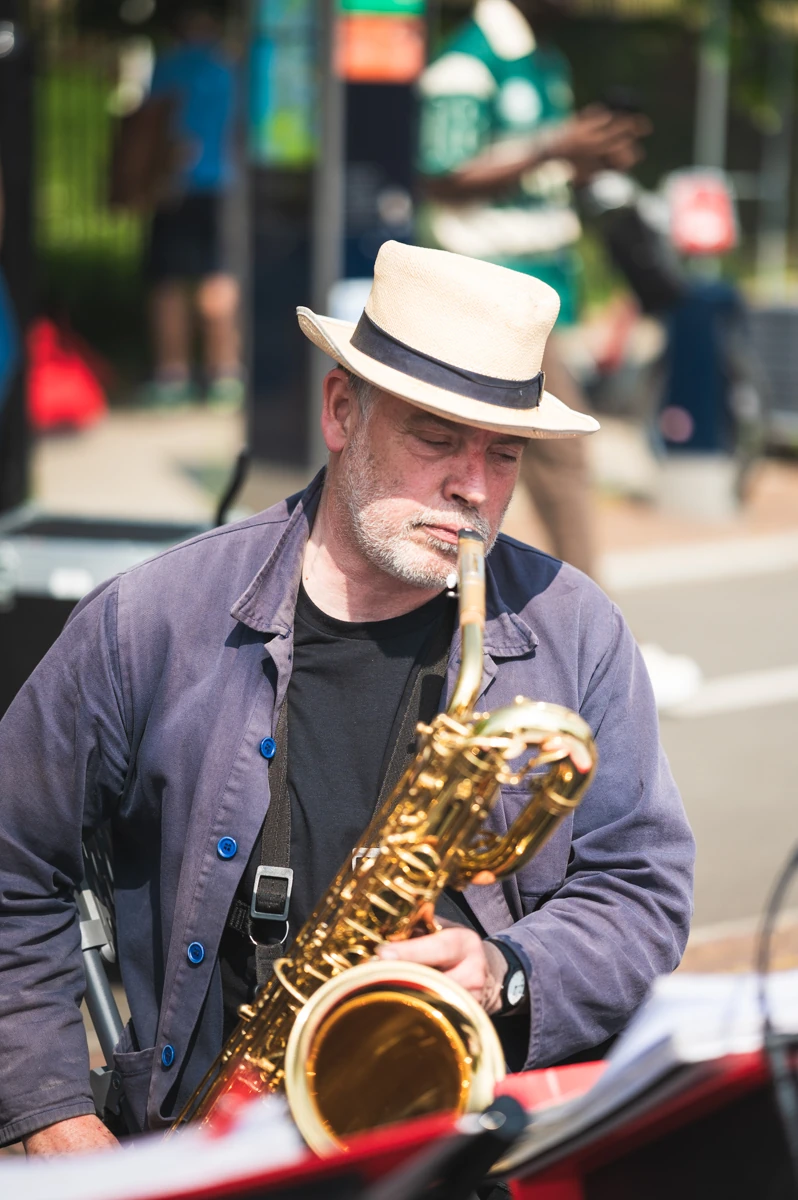
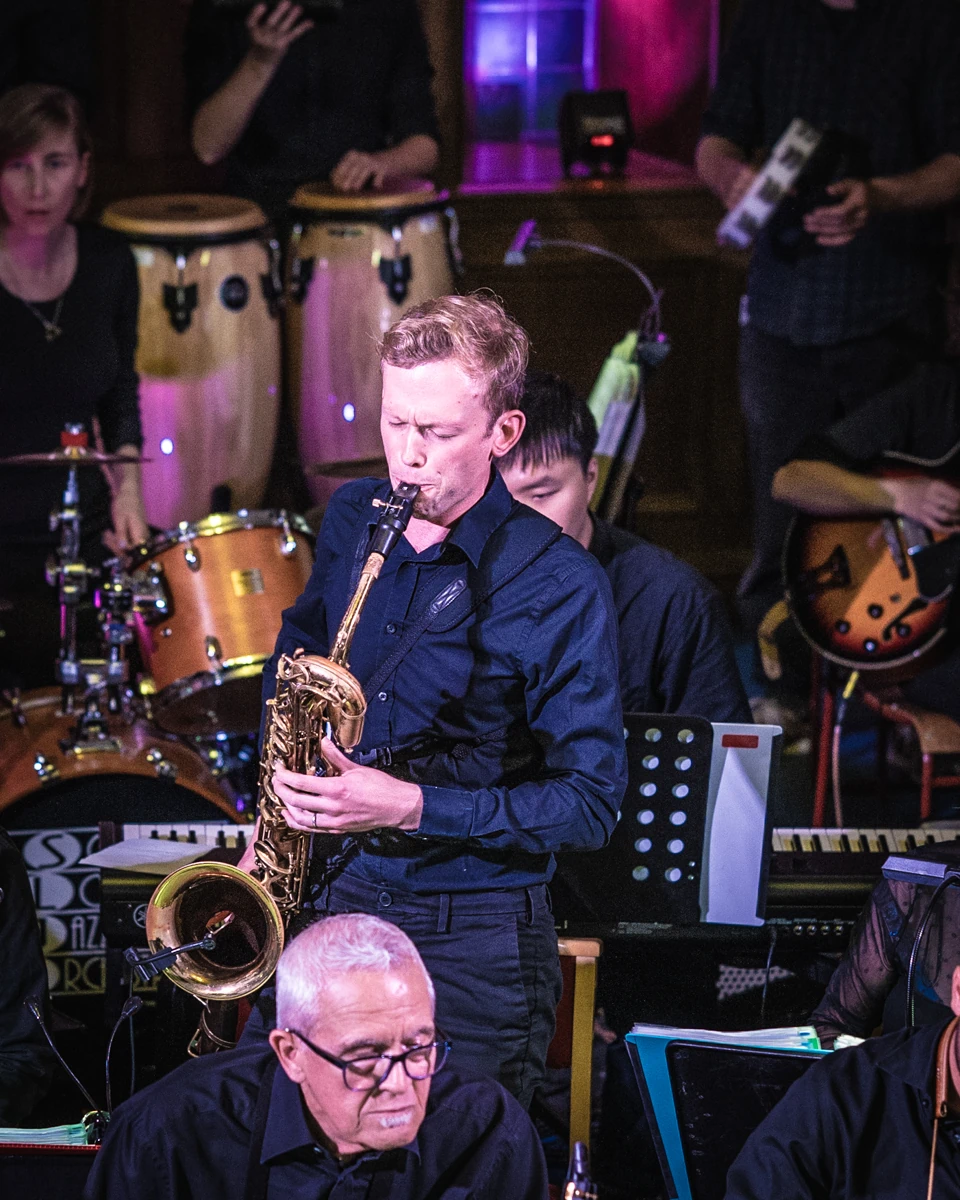
The Jazz Face Is Real
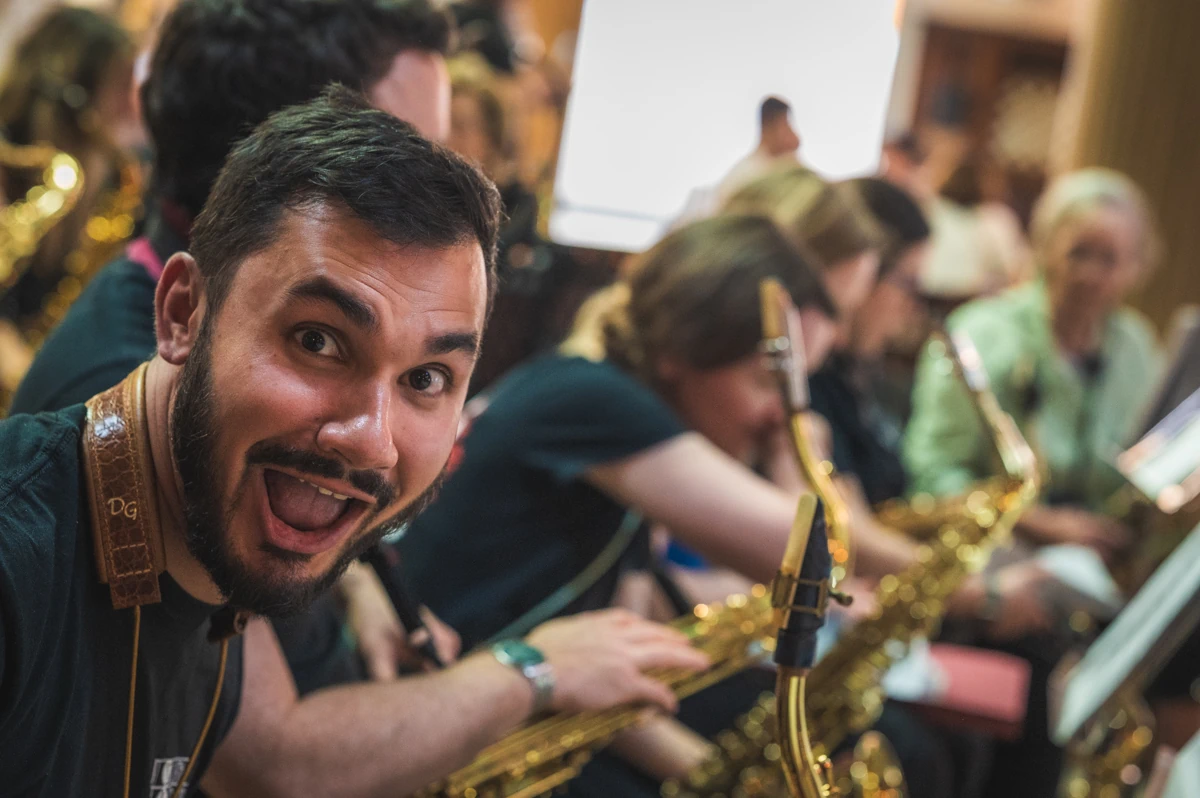
Jazz is a serious music tradition.
And we take it VERY seriously (except when we don’t).
It needs us to count bars, play solos, and generally just play perfectly, especially when an audience has high expectations of us.
Thankfully, there are no wrong notes in jazz.
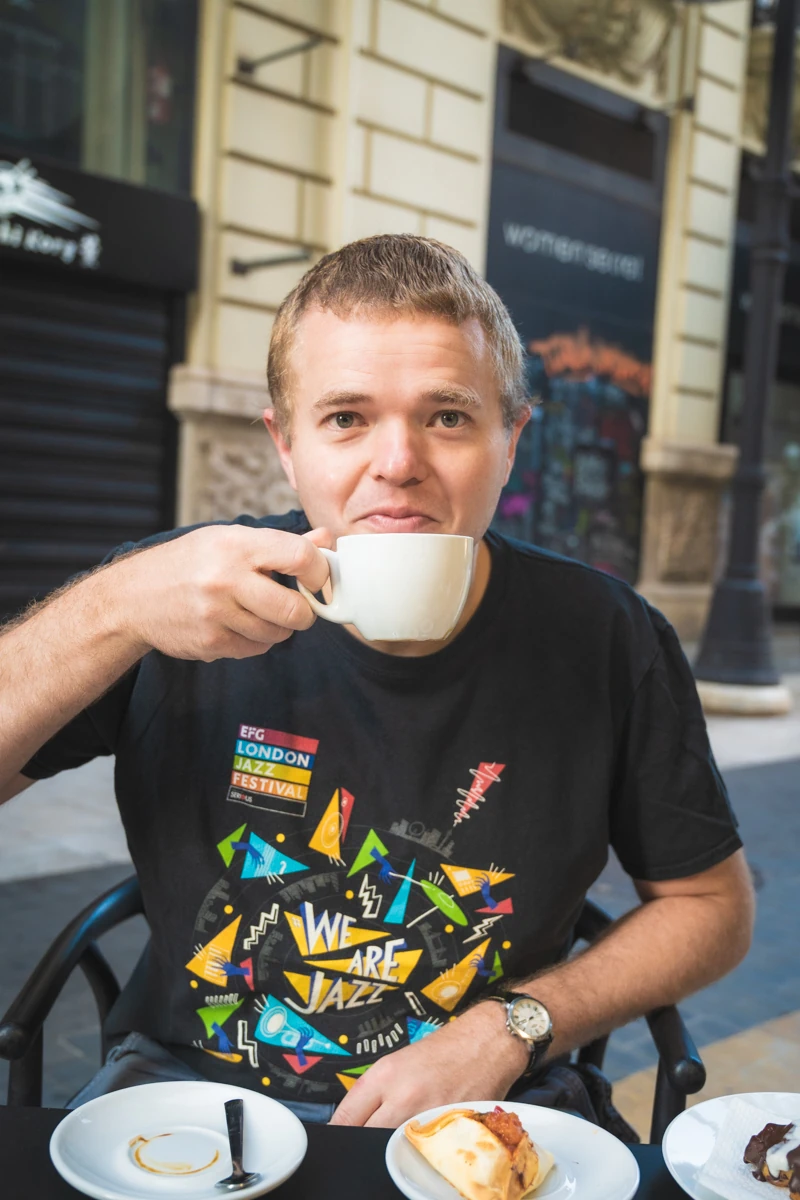
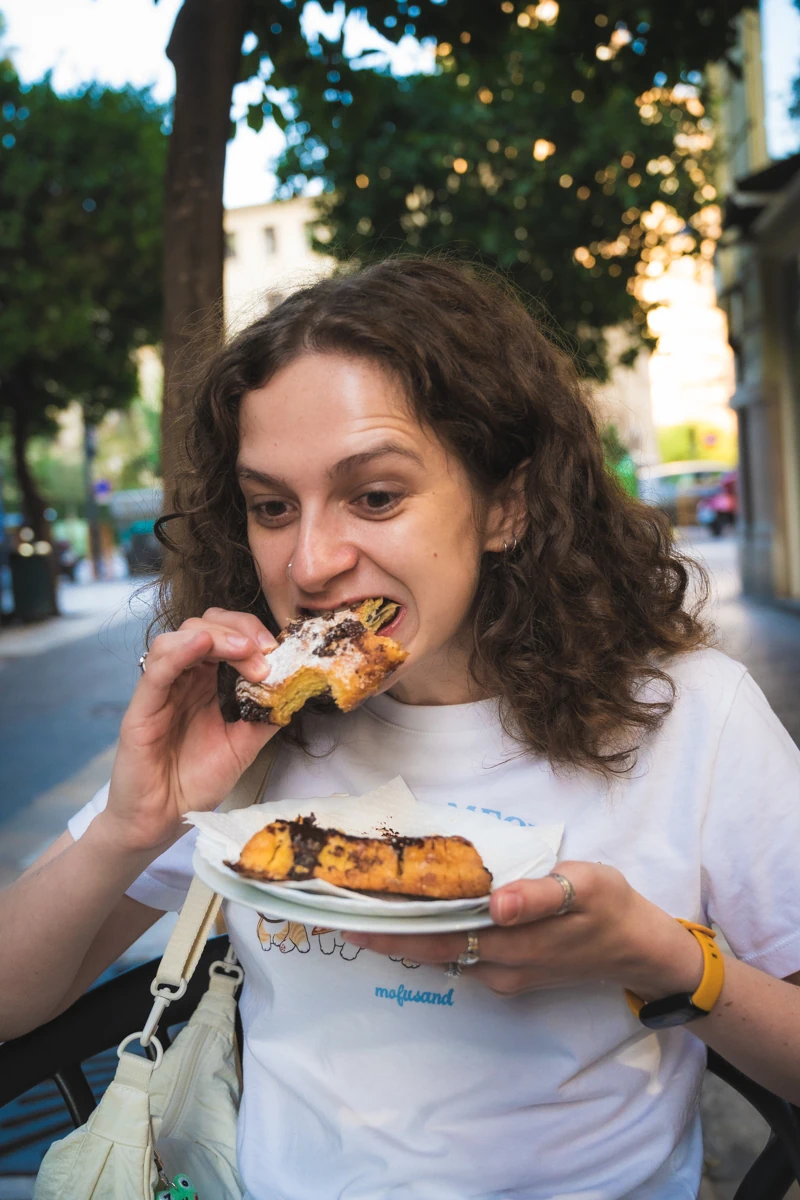
The Other Half of the Band
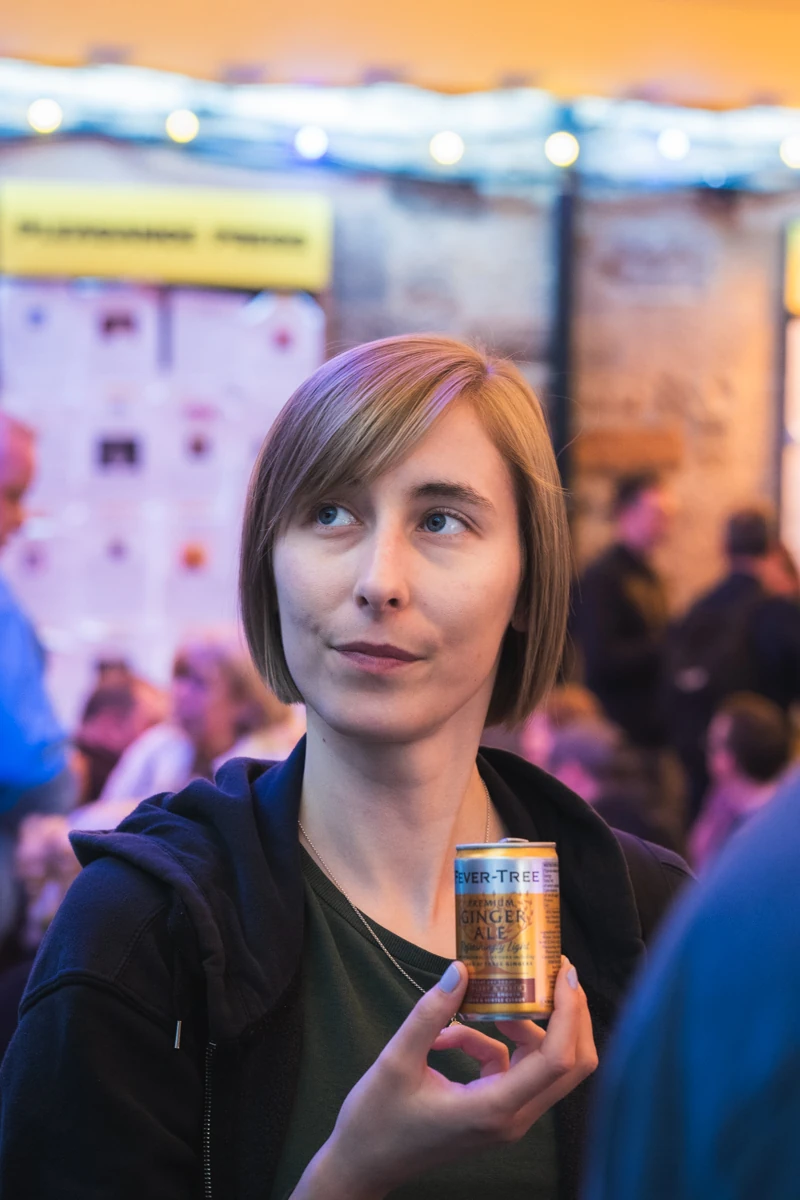
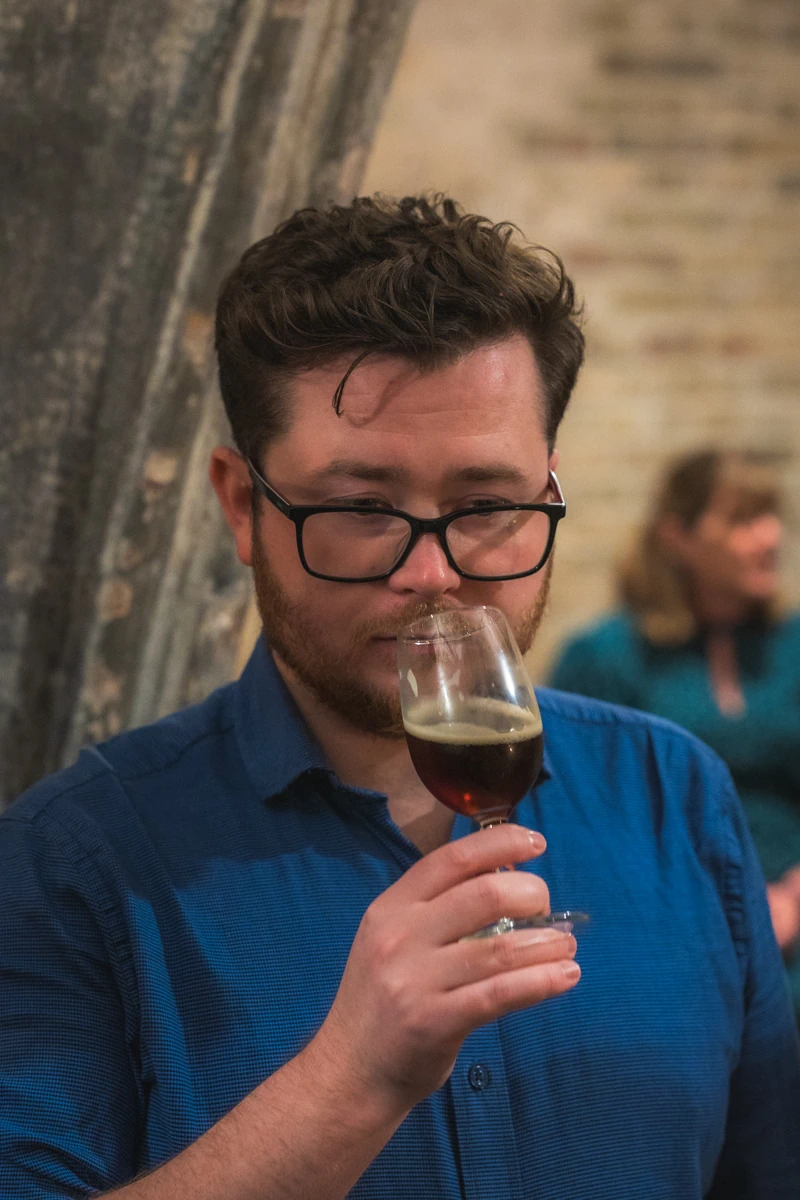
It’s not all bombastic shouts, improvised solos and setting up cables/chairs.
Jazz musicians, especially in a community big band like this one, can often be spotted in pubs, bars, beer gardens and the occasional café.
When we’re there in groups, good times are guaranteed.


The Places Jazz Takes You
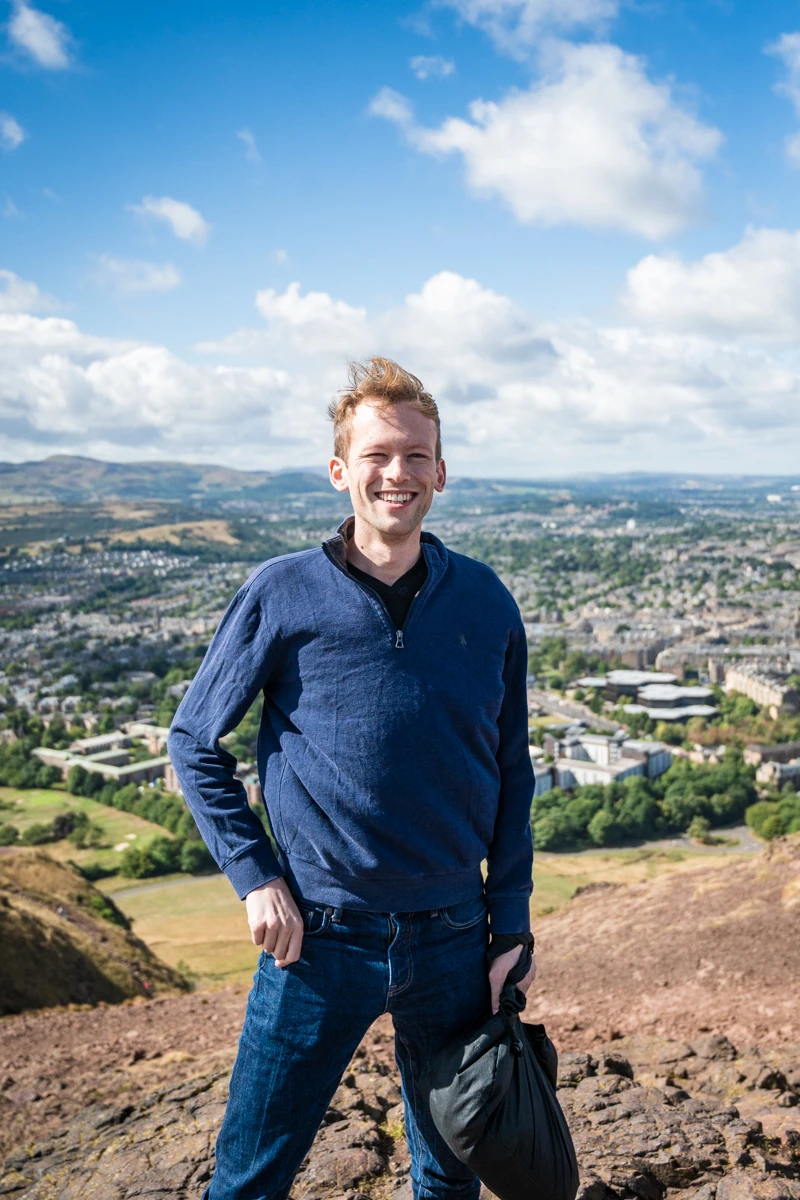
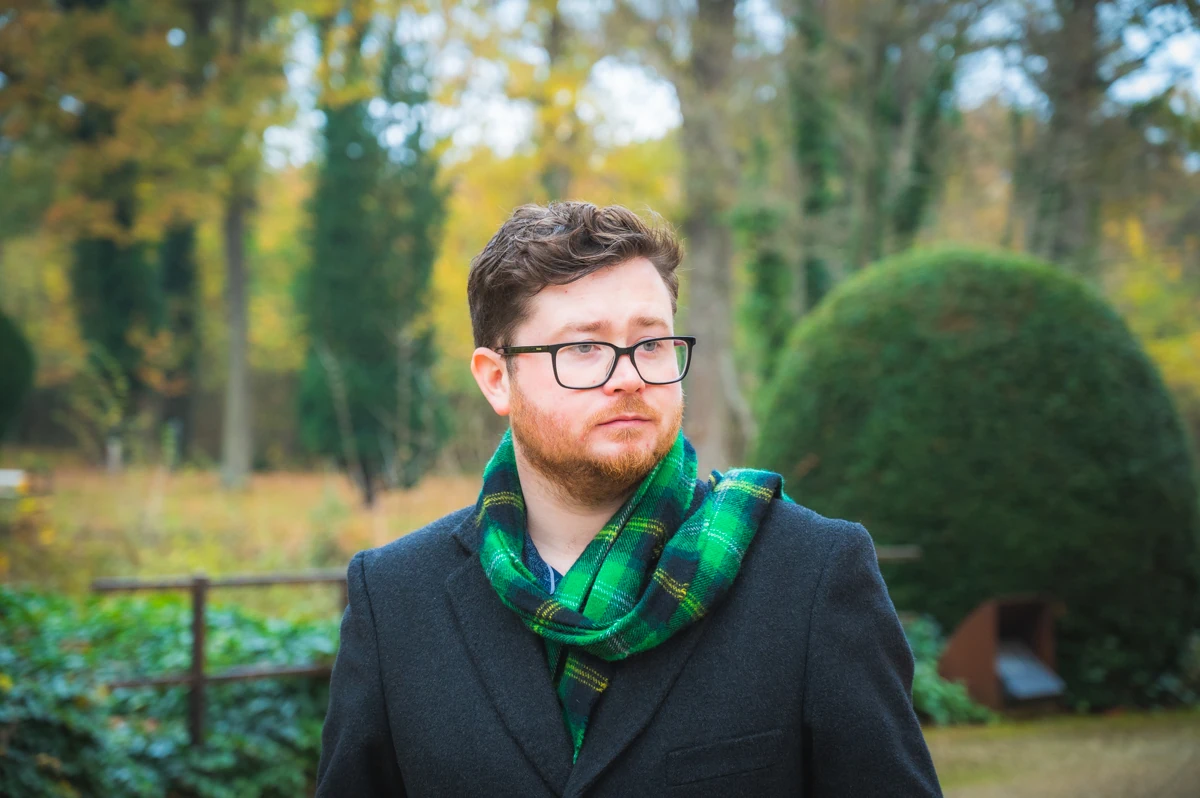
And then, why stick to your locals when you can travel far and wide?
One of the ways we’re incredibly lucky to have a community like this one is how we get opportunities to bring the music out of our home city and often abroad.
Not all of this looks a lot like jazz, but I’d still say it counts.


More Than the Music
And then, the instruments return to their cases, we pack up and go home—but not without the incredible memories shared with other members of this inimitable band.
The music is the obvious part.
The rest is what makes it last: the friendships, the routines, the trips, the jokes and the small weekly decision to keep showing up.
After work, they play jazz. And somehow, that turns into much more than music.

Written by Tommy McDevitt
Tommy is a London-based portrait photographer, marketer, engineer and musician. His work focuses on relaxed portraits, useful photos and documentary-style photo essays, with a practical eye for how images are seen, shared and used.